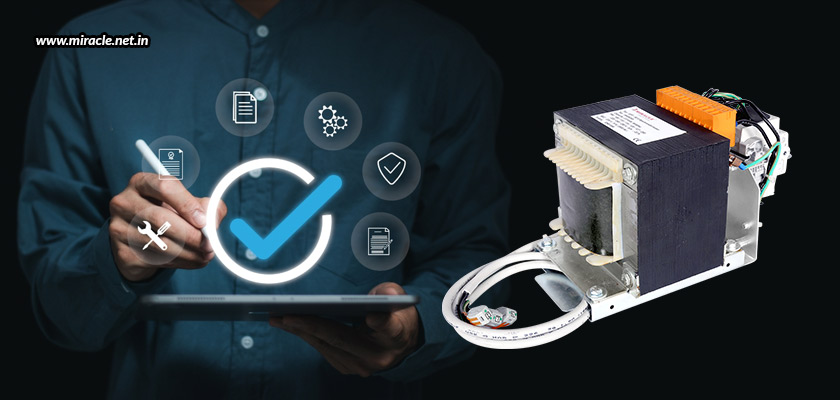
Purchasing an EI transformer involves more than just choosing a device that satisfies voltage or current requirements. For sectors like manufacturing, power distribution, or high-precision electronics, this represents a strategic investment. The transformer should provide reliable, long-lasting performance while adhering to safety and efficiency regulations. Every aspect, from construction quality and materials to testing procedures and certifications, plays a role in its total value. This guide explains how buyers can assess, confirm, and evaluate EI transformers prior to acquisition, ensuring quality, steering clear of common mistakes, and achieving peace of mind, even without an engineering background.
The importance of Quality Assurance
EI transformers play a crucial role in various essential applications – driving industrial machinery, maintaining signal integrity in audio systems, and guaranteeing safety in medical devices. However, a single low-quality transformer can lead to unforeseen shutdowns, energy wastage, or safety hazards. This underscores the importance of quality assurance, which should never be neglected. It ensures that the product has been designed and tested to meet performance criteria, operate reliably under stress, and adhere to safety regulations. Additionally, quality assurance enhances traceability, making sure that every material and process is documented and managed. Whether you are procuring a transformer for large-scale manufacturing or a sensitive application, taking the time to verify quality prior to purchase is essential for ensuring long-term performance and operational reliability.
Start with a thorough visual inspection
Before proceeding with installation or acceptance, conduct a thorough visual inspection to identify any visible signs of damage or inferior workmanship. Start with the following critical areas:
- Exterior condition: Inspect for dents, scratches, corrosion, or paint imperfections. The presence of rust or peeling paint may suggest inadequate storage or exposure to environmental factors.
- Bushings and insulators: Examine for cracks, chips, or any visible deformities; these could indicate underlying mechanical or electrical problems.
- Nameplates & labels: Ensure that all labels are intact and legible, showing serial numbers, voltage ratings, manufacturing dates, and model numbers.
- Surface finish & assembly: Look for loose bolts, uneven welds, or misaligned laminations. Poor assembly is indicative of low manufacturing standards.
- Gauges & indicators: Confirm that pressure, temperature, or oil-level gauges (if applicable) are functioning correctly and calibrated properly.
Record every issue you encounter – even minor defects can result in performance failures under actual load conditions. Visual inspections are not merely about appearance; they serve as a preliminary check against potential structural or electrical issues. Conducting this inspection early allows you to request clarifications or repairs before the transformer is put into service.
Validate build material documentation
Please obtain complete documentation regarding the materials utilized in the construction of your transformer. High-quality materials guarantee reliable operation and minimize the chances of early failure. Inquire about the following:
- Core steel: Verify its thickness, magnetic permeability, and whether it is grain-oriented or cold-rolled.
- Winding conductor: Ascertain whether copper or aluminium was employed and review the insulation class and gauge.
- Insulation & varnish: Confirm that the insulation meets the appropriate thermal class and is resistant to moisture.
- Encapsulation & coating: Details about the coating and sealant are essential, particularly if the transformer is intended to function in humid or dusty environments.
This documentation should ideally be specific to each batch and traceable to ensure consistent sourcing. If your supplier is reluctant to provide this information, it may indicate a lack of transparency in their manufacturing process. Comprehensive material documentation is a sign of robust internal controls and aids in maintaining trust in your transformer’s performance over time.
Confirm standard electrical test results
You don’t need to run these tests yourself, but you should always demand that your supplier has performed them and is willing to share official results. Look for documentation on:
- Insulation resistance: Indicates the strength of insulation, as values in the megaohm range confirm insulation integrity
- Winding resistance: Helps detect errors in coil winding, where acceptable results should fall within ±2% of spec
- Turns ratio test: Ensures that the transformer provides the correct input-to-output voltage ratio
- Open-circuit & short-circuit loss tests: Confirm that the transformer operates within acceptable power loss margins
- Dielectric withstand test (HiPot): Verifies that the insulation can safely handle voltages above its rated level
Request full test certificates, ideally for your actual unit or lot. For high-value purchases, consider attending a Factory Acceptance Test (FAT) – a live demonstration where your transformer undergoes a full operational check before shipment. These documents and test protocols add a crucial layer of security to your investment.
Avoid common buyer pitfalls
Even seasoned professionals can still make preventable errors when buying transformers. The most frequent problems arise from bypassing crucial checks for the sake of quicker or cheaper deals. Steer clear of these traps:
- Relying solely on datasheets rather than actual test results.
- Ignoring grounding and insulation specifications.
- Accepting incomplete or outdated documentation.
- Focusing on the lowest price instead of established quality.
Short-term savings can often result in long-term operational issues. A transformer malfunction can halt production, damage other systems, or invalidate insurance. The best approach? Consider the transformer purchase as a long-term investment. Always conduct thorough due diligence – ask questions, confirm reports, and collaborate with suppliers who emphasize quality and customer service.
Quality assurance serves as the foundation for a successful purchase of an EI transformer. Buyers should initiate the process with visual inspections, request documentation, examine test results, and confirm that safety protocols are adhered to. It is advisable to consider third-party validation for enhanced reliability. These measures help mitigate risk and optimize return on investment. Collaborating with a reputable EI transformer manufacturer in India like Miracle Electronics, recognized for its engineering excellence and transparent practices, guarantees that you acquire a transformer that is both technically robust and durable. By prioritizing quality during the purchasing phase, you are not merely selecting a product, you are ensuring reliable performance for your operations.