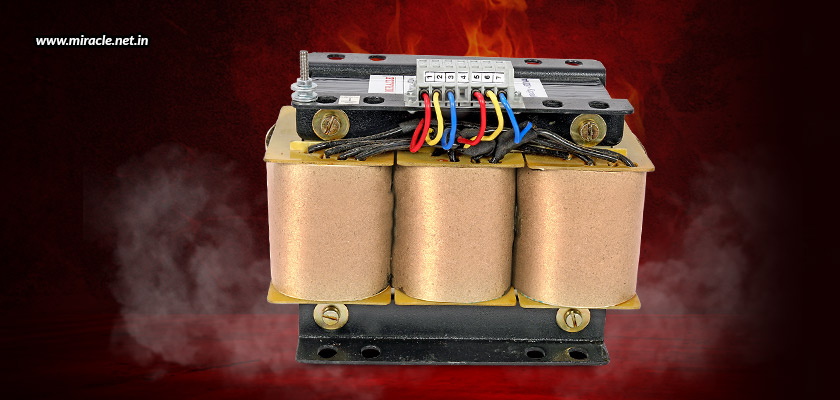
Three-phase transformers are valued for their reliability, efficiency, and ability to ensure consistent performance in electrical systems. However, despite their sturdy construction and extended lifespan, transformers encounter a significant issue – overheating. Excessive heat is the primary reason for transformer failures globally, leading to insulation damage, decreased efficiency, and expensive downtime. However, overheating can be effectively controlled, and often avoided, through a mix of smart design decisions, careful load management, and consistent monitoring. Let’s examine the factors contributing to transformer overheating, the engineering and operational methods to avert it, and practical solutions that prolong transformer lifespan while ensuring the reliability of power systems.
Why overheating matters in three-phase transformers
Heat generation in transformers is unavoidable, primarily caused by copper losses in the windings and core losses in the magnetic core. Although transformers are engineered to release this heat, any discrepancy between heat production and dissipation can lead to overheating. If left unchecked, overheating can result in:
- Insulation deterioration – Excessive heat accelerates insulation aging, reducing its dielectric strength and compromising safety, which eventually leads to reduced performance and higher risk of failures.
- Shortened lifespan – Even a modest temperature increase of 10°C above rated limits can reduce insulation life expectancy by nearly half, accelerating overall transformer deterioration.
- Efficiency declines – Elevated operating temperatures increase resistive losses within windings, lowering efficiency and causing the transformer to consume more energy while delivering reduced output performance.
- Unforeseen downtime – Overheated transformers are far more prone to sudden, unexpected failures, leading to unplanned shutdowns, expensive repair needs, and extended operational interruptions.
- Safety hazards – In extreme cases, overheating can create fire risks, insulation breakdown, or catastrophic mechanical failure, posing serious dangers to both equipment and personnel.
Considering these risks, preventing transformer overheating goes beyond efficiency alone; it is a critical step to ensure operational reliability, safeguard equipment, minimize costly failures, and maintain long-term safety across industrial systems and applications.
Common causes of overheating in three-phase transformers
Before discussing preventive measures, it is essential to understand why transformers overheat. Identifying these underlying causes provides clarity, enabling effective strategies to manage heat generation and safeguard efficiency, reliability, and operational lifespan.
- Overloading: Transformers are built to support specific load limits. Persistent overloading forces the winding conductors to exceed their safe operating temperatures, resulting in hotspots.
- Ambient temperature: Transformers installed in high-temperature environments or near other heat-producing equipment find it challenging to maintain thermal balance.
- Internal faults: Shorted turns, poor winding connections, or partial discharges create localized heating areas that may remain unnoticed until significant damage occurs.
- Imbalanced loads: Uneven load distribution across phases results in excessive current in one winding, causing overheating.
Recognizing these common causes of overheating is the first step toward prevention, allowing operators to implement targeted strategies that maintain transformer safety, improve efficiency, and extend reliable operational performance.
Design choices that prevent overheating
The foundation of preventing transformer overheating lies in its design, where optimal winding geometry, high-grade insulation, and quality materials work together to minimize losses, enhance thermal performance, and extend operational lifespan.
- Proper core and winding design
Preventing overheating begins with an effectively designed core and windings. Utilizing high-quality electrical steel reduces hysteresis and eddy losses, while optimized winding shapes and appropriate conductor dimensions lower resistance, ensuring efficient current management and enhanced heat dissipation.
- Implementation of premium insulation
Insulation is crucial for transformer safety and performance, as it defines the maximum operational temperature limits. Choosing higher-class insulation enhances resistance to heat, reduces the risk of thermal degradation, and ensures long-lasting performance. This not only protects the transformer from premature failures but also extends its service life.
- Cautious loading design
Designing transformers with adequate load margins helps reduce thermal stress and maintain reliability. Built-in overload allowances ensure safe operation during peak demand without compromising efficiency. This careful design approach prevents overheating, supports consistent performance, and extends the transformer’s lifespan, even when operating under fluctuating or unpredictable load conditions.
- Selection of materials for optimal efficiency
Copper windings are preferred over aluminium because of their superior conductivity, which minimizes I²R losses and improves overall efficiency. When combined with low-loss core materials, heat generation is significantly reduced. This not only enhances energy efficiency but also ensures durability, reliability, and a longer operational lifespan for transformers.
Thoughtful design is the first line of defence against overheating. By selecting the right materials, winding configurations, and insulation, manufacturers can ensure three-phase transformers are inherently resistant to excessive thermal stress. As a trusted three-phase transformer manufacturer in India, Miracle Electronics delivers transformers engineered with advanced core and winding configurations, and superior insulation. Their focus on efficiency, durability, and thermal stability ensures safe operations, while minimizing overheating risks.
Load balancing
One of the frequently neglected reasons for overheating is the imbalance of loads in three-phase transformers. An uneven distribution of current exerts additional stress on one phase, leading to localized overheating. Below are methods to prevent load imbalances.
- Accurate load forecasting: Carefully predicting future load requirements allows operators to anticipate and prevent unexpected spikes on any single phase, reducing the risk of overheating and ensuring balanced, reliable transformer performance.
- Regular load monitoring: Implementing advanced metering systems and monitoring software enables continuous observation of phase currents, ensuring even distribution of loads and minimizing hotspots, energy losses, and potential thermal stress on the transformer.
- Load rotation: Periodically redistributing connected loads across different phases balances current flow, prevents localized overheating, enhances efficiency, and prolongs the operational life of transformers, maintaining consistent performance under varying demand conditions.
Load balancing is not solely about efficiency, it is also crucial for thermal safety. Maintaining equal phase loads prevents hotspots, reduces energy losses, and significantly prolongs the service life of transformers.
Resolving existing overheating issues
If a transformer is already exhibiting signs of overheating, immediate corrective actions must be implemented.
- Reduce the load: Gradually decrease the connected loads until the transformer stabilizes within its designated temperature range.
- Install temperature monitoring devices: Utilize sensors, RTDs, and infrared imaging to detect hotspots at an early stage.
- Schedule preventive maintenance: Regularly inspect insulation resistance, and winding resistance.
Overheating does not always necessitate the replacement of a transformer. Numerous corrective actions can restore safe operation and extend the service life.
Preventing overheating in three-phase transformers is not a single step but a comprehensive strategy. It begins with strong design decisions, and continues with responsible operation. By tackling both the root causes and solutions, overheating can be effectively managed, preventing expensive downtime, prolonging the lifespan of transformers, and improving overall system reliability. In a time when energy efficiency and operational continuity are essential, preventing overheating becomes a strategic imperative.