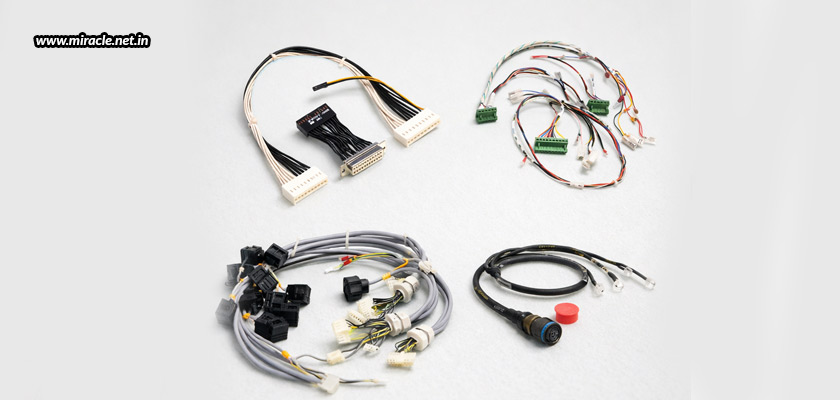
In the modern world, everything seems to be getting smaller – not in terms of physical dimensions, but in the realm of technology. From smartphones to electric vehicles and aerospace systems, the push for miniaturization compels engineers to create components that are smaller, lighter, and more efficient. Wire harnesses, often likened to the circulatory system of electrical and electronic devices, are leading this change. As various industries seek compact designs that do not sacrifice performance, wire harness manufacturers face unique challenges related to space limitations, thermal management, durability, and regulatory compliance. This blog delves into how miniaturization is transforming wire harness design, the challenges it introduces, and the innovative strategies manufacturers are employing to stay ahead.
The importance of miniaturization in contemporary engineering
Miniaturization is no longer optional; industries demand compact, high-performance devices with increasing complexity.
- Automotive: Electric vehicle batteries, sensors, and control units necessitate harnesses that can fit into confined spaces while accommodating high-voltage requirements.
- Consumer electronics: Smartphones, wearable technology, and Internet of Things devices focus on reducing size without compromising connectivity.
- Aerospace & defence: Reducing weight in aerospace and defence applications enhances fuel efficiency, improves overall system performance, and makes compact, lightweight wire harnesses.
- Medical devices: Miniaturized wire harnesses enable portable medical equipment, advanced surgical instruments, and implantable devices, ensuring reliability and safety in constrained spaces.
In summary, the trend towards smaller devices creates a demand for wire harnesses that are not only smaller but also smarter and more dependable.
Challenges in wire harness miniaturization
Wire harness miniaturization is driving compact, lightweight, and high-performance devices across industries, but it introduces challenges in design, durability, compliance, and signal reliability, requiring advanced materials and precise manufacturing.
- Space constraints: Conventional wire harnesses tend to be large, featuring thicker conductors and insulation. The advent of miniaturized devices compels harnesses to navigate tighter pathways where every millimetre is crucial. Designing a route for wires that maintains both accessibility and functionality presents a significant challenge.
- Thermal management: With the reduction in wire size, the current density escalates. This increase leads to more pronounced heat accumulation, raising issues related to overheating and the degradation of insulation. Effective thermal management solutions are vital in confined spaces.
- Mechanical durability: Compact harnesses are more susceptible to wear, bending stress, and damage from vibrations, particularly in automotive and aerospace settings. Achieving durability without adding bulk necessitates the use of advanced materials and thorough testing.
- Signal integrity & EMI: The process of miniaturization frequently involves high-frequency signals, especially in 5G technology, Advanced Driver-Assistance Systems (ADAS), and medical electronics. The reduced distance between wires heightens the risk of electromagnetic interference (EMI) and signal degradation.
- Manufacturing complexity: As harnesses shrink and become more complex, the precision of assembly and automation becomes increasingly important. Relying on manual assembly can result in higher error rates, necessitating rework and increasing costs.
- Compliance & testing: Miniaturized harnesses must still adhere to international standards such as IPC/WHMA-A-620, ISO, UL, and RoHS. Achieving compliance within smaller dimensions demands innovative design approaches and thorough validation.
Overcoming wire harness miniaturization challenges requires smart design, effective thermal management, automation, and strict compliance, enabling manufacturers to deliver reliable, efficient harnesses that meet modern technological demands globally.
Design strategies for miniaturized wire harnesses
Designing miniaturized wire harnesses demands innovative strategies that optimize space, enhance performance, and ensure durability, using advanced materials, precision technologies, and smart design for reliable industrial applications.
- Innovative materials for conductors and insulation: High-conductivity alloys enable thinner wires without compromising performance, while high-temperature insulation materials like PTFE, FEP, and Kapton withstand thermal stress. Lightweight composites further reduce mass, enhancing efficiency and performance in aerospace and automotive applications.
- Flat and flexible cable options: Rather than utilizing round wires, designers are increasingly opting for flat, ribbon-like cables that conserve space, lessen weight, and enhance bend radius. Flexible printed circuits are also taking the place of traditional harnesses in electronics and medical equipment.
- Miniaturized connectors: Connector technology has progressed to feature micro and nano connectors equipped with robust locking mechanisms and EMI shielding. These connectors enable dense packaging without compromising reliability.
- Enhanced routing & simulation: CAD software and digital twin simulations empower engineers to virtually plan harness pathways, ensuring optimized space utilization and minimizing rework. Simulation tools forecast thermal loads, stress points, and EMI challenges prior to physical prototyping.
- Automation & precision assembly: To fulfil the precision requirements of miniaturization, advanced methods are crucial. Robotic wire processing and crimping ensure consistent quality by removing variability in production, while laser stripping and micro-soldering provide highly accurate terminations in fine wires, guaranteeing both reliability and performance in compact harness designs.
- Modular & scalable harness designs: Creating modular harnesses enables OEMs to reuse components across various platforms, simplifying complexity and accelerating time-to-market.
Implementing advanced materials, flexible designs, automation, and modular approaches enables manufacturers to meet miniaturization demands, enhancing efficiency, reliability, and adaptability to evolving technologies and global market requirements.
Testing and validation in miniaturized harnesses
Miniaturized harnesses undergo stringent testing to ensure they withstand operational demands, with advanced validation techniques identifying weaknesses early for reliable performance in aerospace, automotive, and medical industries.
- Thermal cycling & heat resistance: Evaluating performance at elevated and variable temperatures, ensuring insulation and conductors remain stable under thermal stress.
- Vibration & shock testing: Verifying functionality when exposed to continuous vibration or sudden mechanical shocks, vital for aerospace and automotive use.
- EMI/EMC testing: Preserving signal integrity in delicate environments where electromagnetic interference could impair performance.
- Micro-CT scanning: Allowing non-invasive examination of miniaturized connections to detect defects or inconsistencies.
- Pull & flex tests: Assessing the mechanical strength and durability of fine wires under repeated movement or tension.
These tests ensure that miniaturized harnesses maintain reliability, safety, mechanical strength, and electrical integrity under real-world stress, while meeting international standards for global market suitability.
The importance of compliance in miniaturized harnesses
In compact systems, strict compliance with global standards ensures each harness delivers consistent performance, meets safety regulations, maintains environmental responsibility, and supports innovation without compromising design or functionality.
- IPC/WHMA-A-620: Establishes globally recognized workmanship standards, even in extremely fine-pitch wiring, ensuring consistent quality, precision, and reliability in miniaturized harnesses. It serves as a key reference for manufacturers to maintain uniformity across complex designs.
- ISO 13485: Specifically regulates medical device harnesses, requiring strict documentation, risk management, and validation processes. Compliance guarantees patient safety, reliability of medical electronics, and adherence to healthcare industry expectations.
- UL Certification: Provides assurance of safety in both consumer and industrial harness applications by validating electrical, mechanical, and thermal performance. It is critical for ensuring harnesses can withstand operational conditions without failure.
- RoHS/REACH: Confirms that harness materials meet environmental directives, restricting hazardous substances and ensuring sustainability. Compliance demonstrates corporate responsibility while enabling global market access.
Manufacturers who balance miniaturization with compliance gain a competitive edge, aligning design innovation with international standards, building trust, expanding market access, and proving reliability in safety-critical global industries.
Miniaturization transcends being merely a design trend; it is a transformative force shaping the future of wire harness manufacturing. As industries pursue compact, high-performance solutions, harnesses must overcome space, thermal, EMI, and durability challenges. Using advanced materials, flexible cables, precision assembly, and thorough testing ensures reliability, compliance, and performance. Working with a trusted wire harness manufacturer India for Canada export, like Miracle Electronics, ensures access to high-quality, compliant, and reliable harness solutions for global markets. With extensive expertise in precision assembly and strict quality standards, Miracle Electronics delivers miniaturized harnesses tailored to the specific needs of automotive, medical, and electronics industries. Their emphasis on innovation and timely delivery helps clients reduce lead times and improve overall product performance.”