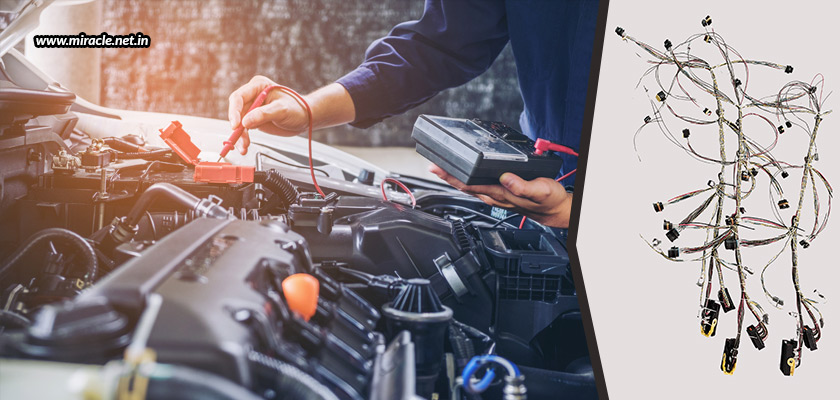
When considering the health of our vehicles, we typically focus on oil levels, brake pads, or engine diagnostics. However, concealed beneath the hood and behind the dashboard is a less glamorous yet essential element: the wire harness. Frequently overlooked, wire harnesses serve as the unsung heroes of a vehicle’s electrical system, providing significant insights into the condition and reliability of your vehicle. In this blog, we will delve into the functionality of wire harnesses, identify the signs to watch for, and explain how these intricate networks of wires function like the nervous system of your car, revealing more about your vehicle’s health than you might expect.
The importance of wire harnesses in monitoring vehicle health
Contemporary vehicles are equipped with a multitude of sensors and control modules that track performance, emissions, safety, and comfort. These sensors relay information to the Electronic Control Unit through the wire harness. Any disruption in this connection can result in inaccurate diagnostics, sensor malfunctions, non-functional safety features, and potential electrical shorts or fires. Therefore, by examining the state of the wire harness, you can obtain vital insights into the overall health of your vehicle.
Cracks, fraying, or discolouration
What it means:
- Exposure to heat, moisture, or chemical spills can deteriorate the insulation of wires.
- Wires that are frayed or cracked can result in short circuits, signal transmission failure, and power loss to essential components.
What it tells you about your vehicle:
- Your engine compartment might be operating at a higher temperature than usual.
- The wire harnesses could be aging or subjected to environmental stress.
- There may be leaks impacting adjacent cables.
Action tip: If you observe exposed copper or brittle insulation during a visual check, it’s advisable to have the harness professionally assessed or replaced.
Melted connectors or burnt smell
What It Means:
A melted connector typically signifies excessive current flowing through the system.
This could be due to defective fuses, an aftermarket component that consumes too much power, or inadequate grounding.
What It Tells You About Your Vehicle:
There is likely an overload in one or more electrical circuits.
An accessory is not correctly integrated.
The alternator may be overcharging, putting stress on the system.
Action tip: Do not disregard a burnt plastic odour. It could potentially lead to a fire. A comprehensive electrical diagnostic is essential.
Corrosion at the terminals
What It Means:
White or greenish deposits found at wire terminals indicate oxidation or corrosion.
This often occurs due to moisture intrusion or a battery that is leaking or overcharging.
What It Tells You About Your Vehicle:
You might have a leaky windshield, defective door seals, or inadequate drainage paths that allow moisture to enter.
The battery’s voltage regulator may be malfunctioning.
In areas with high salt content, corrosion can spread rapidly if the harness is not properly sealed.
Action tip: Clean the terminals with electrical contact cleaner and apply dielectric grease. Investigate the underlying cause of moisture intrusion.
Intermittent electrical problems
What It Means:
If your vehicle’s lights flicker, the stereo randomly cuts out, or your engine misfires occasionally, it may indicate a broken wire or a weak connection within the harness.
What It Tells You About Your Vehicle:
Vibrations from rough roads or worn engine mounts could be damaging the wire bundles.
Improper routing of wire harnesses during manufacturing or repairs may have led to strain and eventual breakage.
A loose ground or intermittent connection can cause various systems to function erratically.
Action tip: Utilize a multimeter to check for continuity. Mechanics may need to trace the entire harness to locate the break.
Check Engine Light
What It Means:
A Check Engine Light (CEL) can be activated by various issues, ranging from a loose gas cap to a malfunctioning oxygen sensor — however, frequently, the underlying issue lies within the wiring rather than the sensor itself.
What It Tells You About Your Vehicle:
The wiring harness linked to the oxygen sensor, throttle body, or mass airflow sensor might be compromised or disconnected.
Rodents may have gnawed on the wires (this is particularly prevalent in vehicles that are stored).
Heat damage from exhaust manifolds or turbo components could have caused the insulation to melt.
Action tip: Prior to replacing the sensor, inspect the harness that connects to it. Scanning tools can often provide misleading information if the connection is faulty.
Dashboard warning lights or non-responsive electronics
What It Means:
If several dashboard lights are flashing or systems such as ABS, traction control, and power steering are failing at the same time, the problem may be related to a central harness or the CAN Bus wiring.
What It Tells You About Your Vehicle:
There could be a failure at a main junction point in the harness, particularly in modern vehicles equipped with centralized ECUs.
Water intrusion in the fuse box or connector points can interfere with multiple systems.
A weak battery ground connection might impact all electronic components.
Action tip: Inspect your vehicle’s Body Control Module (BCM) and harness connectors for signs of water damage or corrosion.
Transmission or engine shifting issues
What It Means:
Automatic transmissions depend on electronic signals for shifting management.
If the harness linking the Transmission Control Module (TCM) is defective, your vehicle may remain in limp mode or shift unpredictably.
What It Tells You About Your Vehicle:
Your TCM or ECM harness could be pinched, burnt, or corroded.
Abrupt shifting might result from signal delays or sensor miscommunication.
The transmission valve body may be functioning properly — it’s the harness that requires attention.
Action tip: Request your mechanic to examine transmission-related harnesses before concluding that a major repair is necessary.
Battery drain
What It Means:
If your battery discharges overnight or has difficulty maintaining a charge, a parasitic draw could be due to damaged wires or shorts in the harness.
What It Tells You About Your Vehicle:
A harness might be unintentionally supplying power to a component, such as a stuck relay or glove box light.
Worn insulation or inadequate grounding can lead to a continuous current draw.
Aging harnesses are particularly susceptible in older vehicles.
Action tip: Conduct a parasitic draw test and isolate circuits until the faulty one is found.
Preventive maintenance tips for wire harnesses
Keep your vehicle’s wiring in optimal condition by following these preventive measures:
- Examine regularly under the hood and dashboard for any signs of worn insulation, loose connectors, or corrosion.
- Ensure that areas where moisture or rodents could enter are properly sealed.
- Use protective sleeves, particularly near hot components or moving parts of the engine.
- Refrain from adding accessories without careful planning; always use the appropriate fuses.
- Opt for OEM-grade replacements and make sure that wires are adequately insulated and routed.
These simple checks can minimize the risk of electrical problems and prolong the lifespan of the system.
When to replace a wire harness
Wire harnesses are durable, but replacement becomes necessary in the below-mentioned circumstances.
- When multiple systems fail: Unexplained failures across various electrical systems may suggest damage to the harness.
- When there are frequent temporary repairs: If you find yourself repeatedly fixing individual wires, it may indicate more serious underlying issues.
- When there is significant physical damage: Replacement is the safest option if the harness is melted, cut, or has been chewed by rodents.
- In case of flood or fire exposure: Damage from moisture or heat can result in hidden shorts or corrosion.
While replacement can be expensive, it enhances safety, performance, and peace of mind, particularly in older or high-mileage vehicles. And, when it’s time for a full replacement, choose Miracle Electronics – a trusted automotive wire harness manufacturer in India, known for supplying reliable, customized wire harness solutions that restore vehicle safety and performance.
Wire harnesses might not be the most noticeable or attractive components, yet they are essential for the functionality of your vehicle’s electrical systems. Keeping an eye on their state provides crucial information about possible issues well in advance of them turning into expensive repairs or hazardous failures. Essentially, paying attention to the signals from your wire harnesses is a proactive strategy to prevent breakdowns, safeguard your investment, and guarantee safer, more dependable driving.