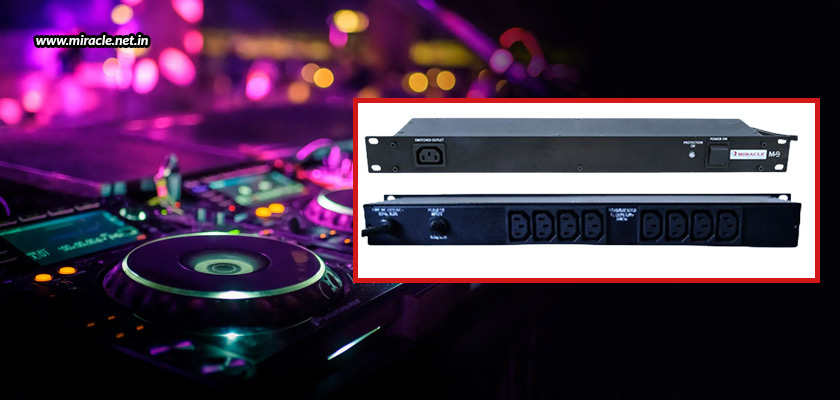
Every audio system, whether a professional studio setup or a basic music system at home, relies heavily on the electrical power flowing through it. The power quality determines how well your system can reproduce sound. How clean and accurate the sound is, with no unwanted noise, is determined by the quality of power. Fluctuations, interference, and voltage irregularities can subtly distort your audio and reduce performance over time. This is where audio power conditioning plays a crucial role, serving as the backbone of your system’s stability, protection, and sonic excellence, ensuring uninterrupted, distortion-free listening.
What is audio power conditioning?
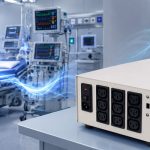
Audio power conditioning is the process of improving and stabilizing the electrical power that feeds your audio system. An audio power conditioner acts as a gatekeeper between your power outlet and equipment – cleaning, regulating, and protecting the power supply, ensuring that your amplifiers, preamps, and DACs receive the purest form of power. Most homes and studios experience voltage fluctuations, electrical noise, and power surges, all of which bring on distortion, humming, and inconsistency in the audio output. Over time, these irregularities can damage your sensitive equipment. This is why having an audio power conditioner in place is important.
Why clean power matters
Clean power means clean sound. Imagine listening to your favourite song and experiencing disturbance, noise, and humming in the background. How annoying would that be? Unstable power does just that. It introduces background noise and hums, caused by interference from other electrical devices. It can also result in reduced dynamic range and digital jitter, especially in digital-to-analog converters and processors. Finally, if the voltage spikes and electrical stress are not dealt with for a long time, it can also affect the components, leading to premature wear. On the other hand, when your system receives clean stable power, the noise drops and transients become sharper, resulting in improved sound quality.
How does a power conditioner work?
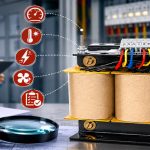
A power conditioner performs several critical purposes to enhance and protect your system’s power supply. Most high-quality power conditioners include the following features –
- Surge protection: Faulty wires, grid switching, and lightning strikes can cause dangerous voltage spikes. Power conditioners comes with surge protection circuits that act like a shield, absorbing and diverting excess voltage before it reaches the equipment.
- Voltage regulation: Sudden voltage drops or even surges can affect both sound quality and equipment safety. Power conditioners can stabilize these fluctuations and deliver consistent voltage, ensuring that your components operate optimally at all times.
- Noise filtration: Power conditioners use filters and isolation transformers to eliminate EMI and RFI that enter your audio chain through shared circuits, Wi-Fi routers, refrigerators, and dimmer switches, thus preventing these signals from polluting the sound.
- Power distribution: Many power conditioners have multiple isolated outlets designed for specific components; for example, digital sources can be separated from analog amplifiers to minimize crosstalk and ground loops.
- Monitoring and diagnostics: Certain power conditioners come equipped with LED indicators or LCD displays that show voltage levels, current draw, and fault conditions, giving users real-time insight into their power quality.
Power conditioning and sound quality
Power conditioning, with all the above-mentioned features, makes a significant difference in sound quality, especially in environments with inconsistent power supply or a high level of electrical interference. A power conditioned system will bring about a quieter background with no hums or buzzes, enhanced clarity that delivers sound exactly as it was created, efficient and longer working components, and improved instrument separation where each frequency band operates without interference. Power conditioners thus not only protect the equipment from surges, rather it brings about sonic refinement. For audiophiles and professionals alike, investing in a quality power conditioner means experiencing music as it was truly intended – dynamic, detailed, and immersive. It ensures that every note, tone, and silence is reproduced with absolute precision and depth.
Choosing the right audio power conditioner for your system
With the multiple types of power conditioners available on the market, you need to know which one to buy. Selecting the right power conditioners is not just about picking the most expensive option. Rather, you need to consider a number of factors to be able to choose what will work best for you. Here’s a list of evaluations you may need to do.
- Assess your power environment: Begin by understanding the nature of your local power supply. Check for any frequent voltage fluctuations or interference. Also, check if you are in a building that holds outdated wiring. If so, opt for a voltage-regulated or balanced power conditioner.
- Evaluate your equipment load: Calculate the total wattage of your system. Note down the individual wattage of your amplifiers, CD players, DACs, turntables, and more, and then sum it up to get the total wattage of your system. Then, choose a conditioner that can comfortably handle at least 20-30% more than your total draw to avoid overloading.
- Consider your system type: Different audio system types require different types of power conditioners. For instance, a home audio system may be just fine with a good line filter or voltage-regulated conditioner. On the other hand, you may need balanced conditioners or regenerators for professional studios, as they are worth the investment for absolute clarity. And, for portable or live setups, you need to look for rugged surge-protected units designed for mobility.
- Check the outlet configuration: Ensure that the power conditioner has enough outlets, each being isolated or filtered separately for analog, digital, and high-current components. This minimizes interference between components.
- Look for additional features: You may also look for additional features like display panels for voltage monitoring, USB or Ethernet surge protection, sequential power-up and power-down functions, and remote control capabilities. Depending upon your system setup, requirements, and budget, choose features that enhance convenience and monitoring without compromising quality.
- Brand and build quality: Choose reputed brands known for reliability and sonic transparency. High-quality internal components ensure longevity and consistent performance. Among leading manufacturers, Miracle Electronics is a trusted audio power conditioner manufacturer in India, known for delivering stable, clean power that enhances audio system performance.
Audio power conditioning is not just about surge protection and sound quality; it is rather about ensuring that your sound system operates in the cleanest, most stable electrical environment possible. Clean power forms the foundation of your entire audio experience. By understanding how power conditioning works and selecting the right system for your needs, you can unlock your equipment’s full potential to achieve better sound, sharper detail, and a truer connection to your music. Whether you’re a passionate audiophile or a professional sound engineer, mastering clean power is one of the most effective ways to ensure your system performs beautifully and you have an amazing listening experience for years to come!